Pilot “Thagaval” App digitizes vessel movement and pilotage workflows across the port ecosystem
Jawaharlal Nehru Port Authority (JNPA)- India's largest container terminal, has taken a significant step towards end-to-end digitalisation of its marine operations with the rollout of a comprehensive, paper-free Harbour Management System (HMS).
Recognising the complexity of its marine operations and the importance of data security, JNPA opted against off-the-shelf solutions and partnered with the National Technology Centre for Ports, Waterways and Coasts (NTCPWC) to develop an indigenous Harbour Management System. The HMS integrates vessel scheduling, pilotage data, resource allocation, IoT-based inputs, safety monitoring and sustainability tracking into a unified workflow aligned with global standards.
In parallel, JNPA has launched its own independent iVTS, moving beyond the earlier VTS arrangement implemented by the Mumbai Port Authority with services provided by Wärtsilä. AIS-based vessel data collection through iVTS has already commenced, and once fully operational, the system will provide terminal operators and service providers with a real-time operational picture, enabling faster and better decision-making.
Expressing his views on these developments, Shri Gaurav Dayal, IAS, Chairperson, JNPA, stated, "Digitalisation of marine operations is fundamental to ensuring transparency, efficiency and safety in a landlord port environment. By adopting an indigenously developed Harbour Management System and real-time data platforms, JNPA is strengthening its service delivery to all terminal operators while aligning with global best practices. This transformation is already reflecting in improved performance outcomes and will further enhance the port’s competitiveness."
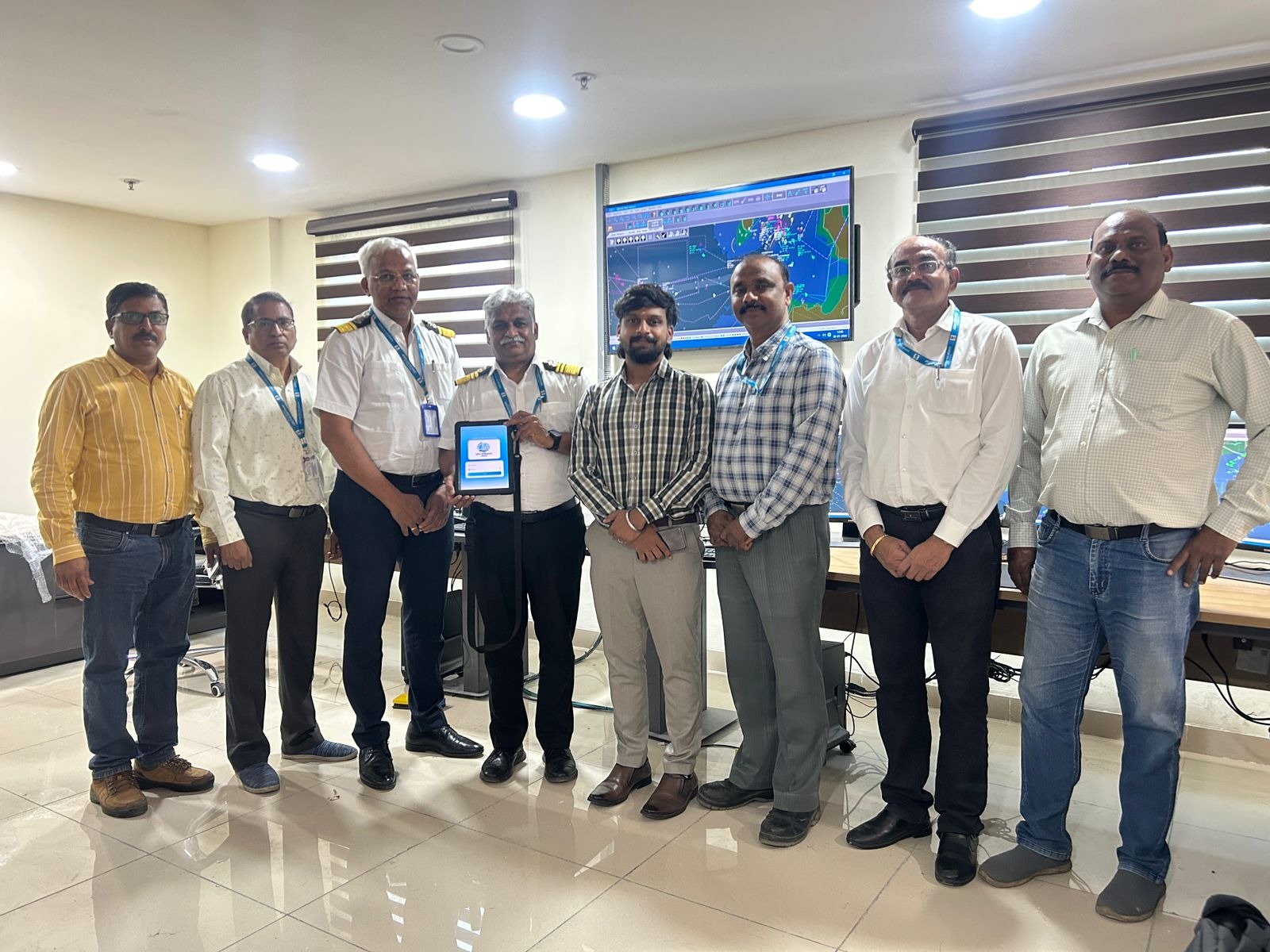
As part of Phase-I digitalisation, all ship movement data is now being captured digitally through the JNPA Pilot “Thagaval” App, which has been in use for the past six months. The app records complete pilotage data, including master’s digital signatures, enables report generation, and is integrated with the port’s billing system (FOCUS) and the National Logistics Portal (NLP). Manual data recording is being progressively phased out. Phase-II trials are currently underway, extending digital data capture to all logistics assets such as tugs, pilot launches and other crafts.
JNPA has also successfully shifted all marine operations, including VTS, to the newly established Port Facility Centre (PFC). The integrated facility houses all marine operational sections and allied authorities, including the Port Health Officer’s office, is fully operational from 1 January 2026.
Under the landlord port model, while container, liquid and multipurpose terminals are operated by private entities, JNPA continues to provide marine services to all operators. With five container terminals, two liquid terminal operators and one multipurpose berth operator functioning at the port, ensuring transparent, fair and efficient marine services have become critical. To meet this requirement, JNPA has transitioned its marine operations to a real-time, time-stamped digital platform, enabling precise performance monitoring and independent record-keeping for each terminal.

Copyright © 2017 Indian Grapevine a unit of Integrated Media Enterprises