


President Accepts Resignation of Odisha Cadre IPS Officer Jagmohan Meena From Indian Police Service
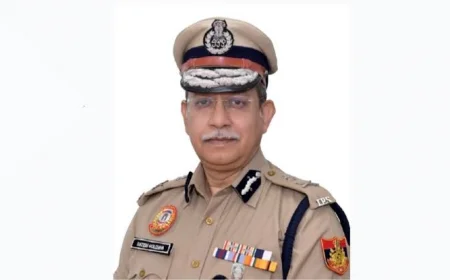
The President has accepted the resignation of Jagmohan Meena, a 2013-batch IPS officer of the Odisha cadre, from the service with effect from September 11.

The President has accepted the resignation of Jagmohan Meena, a 2013-batch IPS officer of the Odisha cadre, from the Indian Police Service with effect from September 11, 2026.
Resignation from an All India Service is a formal process rather than a letter and a departure. Under the All India Services (Death-cum-Retirement Benefits) Rules and the associated instructions, a resignation is submitted through the state government, which forwards it to the cadre controlling authority with its comments, including confirmation on whether any disciplinary proceedings or vigilance case is pending against the officer and whether any bond or training cost obligation remains outstanding. Acceptance is issued in the name of the President. A resignation may also be withdrawn before it takes effect, with the permission of the appointing authority and on grounds the officer has to establish. Once accepted and given effect, re-entry into the service is not available except through fresh selection, and there is no provision for reinstatement on request.
The distinction from voluntary retirement matters. An officer taking voluntary retirement after the qualifying period of service retains pension entitlement. An officer who resigns forfeits past service for pension purposes and leaves without the retirement benefits that attach to a completed career, which is why resignation is comparatively rare in the All India Services.
Meena belongs to the 2013 batch, which places him roughly thirteen years into service. Officers of that seniority in a state cadre have typically completed Superintendent of Police charges in districts and would be moving into Deputy Inspector General range or equivalent staff appointments over the following years. The Indian Police Service is a cadre-controlled service under the Ministry of Home Affairs, with the Department of Personnel and Training handling the All India Services rules that govern appointment, conduct, discipline and retirement. A state government cannot accept an IPS resignation on its own; the file has to travel to the Centre.
The Odisha cadre of the Indian Police Service covers a state with a substantial Left Wing Extremism affected belt in its southern and western districts, alongside coastal district policing and the industrial and mining belts around Angul, Jharsuguda and Keonjhar. District charges in the state carry a mix of that operational load and routine law and order work. Odisha has run sustained anti-Maoist operations through its Special Operations Group alongside central forces, and district charges in the affected belt place Superintendents of Police in direct operational command. The state also carries a long coastline with the cyclone response duties that attach to it, and district police are part of the evacuation and relief machinery each season.
Departures at the middle rungs of the All India Services have drawn attention in recent years, with officers leaving for the private sector, for electoral politics after the required cooling period, or for personal reasons. The cadre authority does not publish reasons in acceptance orders, and none is recorded here. The Department of Personnel and Training has placed figures on such departures before Parliament in past sessions, covering resignations and voluntary retirements across the three All India Services. The numbers are small against total cadre strength, but they have risen enough to feature in discussions about mid-career retention, pay comparability and working conditions in the services.
The resignation takes effect from September 11, 2026, as accepted by the President.