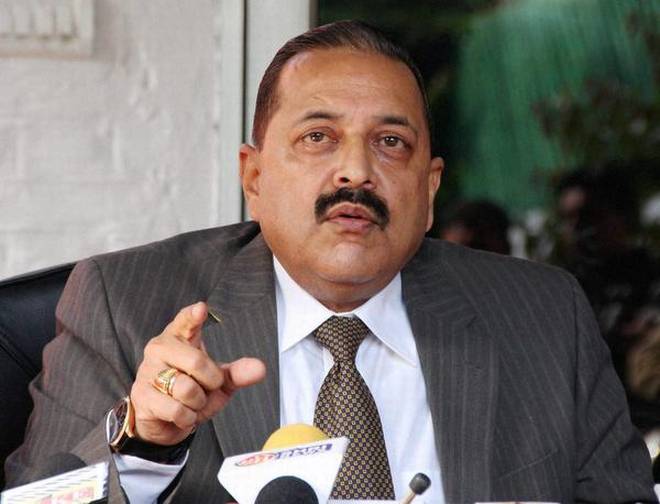
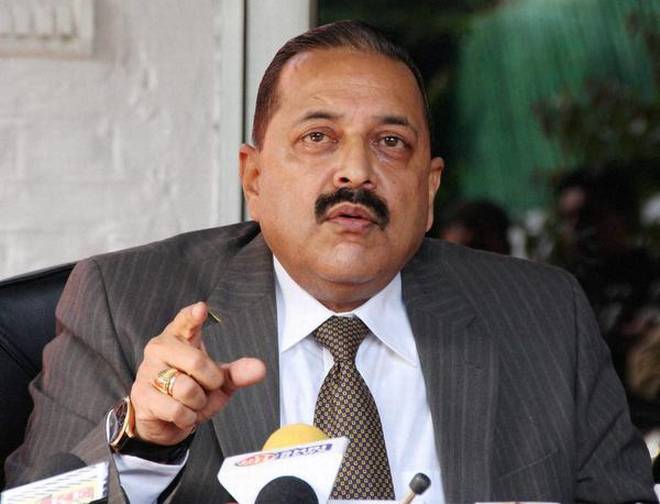
Dr. Jitendra Singh introduced the Sustainable Harnessing and Advancement of Nuclear Energy for Transforming India Bill, 2025, in Parliament today, marking a major step towards updating India’s legal framework governing nuclear energy. The proposed legislation seeks to repeal the Atomic Energy Act, 1962 and the Civil Liability for Nuclear Damage Act, 2010, and replace them with a single, comprehensive law aligned with India’s present and future energy requirements.
According to the Statement of Objects and Reasons accompanying the Bill, sustained research and development have enabled India to achieve self-reliance across the nuclear fuel cycle and to operate its nuclear power programme in a responsible manner. With this experience in place, the government sees scope to significantly enhance nuclear installed capacity to support clean energy security and provide reliable round-the-clock power for emerging needs such as data centres and future-ready applications.
The proposed bill is closely linked to India’s long-term energy and climate goals. The Statement outlines the country’s roadmap for decarbonisation by 2070 and a target of achieving 100 gigawatts of nuclear power capacity by 2047. To meet these objectives, the Bill emphasises the need to harness indigenous nuclear resources more fully and enable active participation of both public and private sectors, while also positioning India as a contributor to the global nuclear energy ecosystem.
At the operational level, the Bill lays down provisions for licensing and safety authorisation for specified persons involved in the production or use of nuclear energy, along with clear grounds for suspension or cancellation. It seeks to bring under regulation the use of nuclear and radiation technologies in areas such as healthcare, food and agriculture, industry and research, while exempting research, development and innovation activities from licensing requirements.
The Bill also proposes a revised and pragmatic civil liability framework for nuclear damage, confers statutory status on the Atomic Energy Regulatory Board, and strengthens mechanisms related to safety, security, safeguards, quality assurance and emergency preparedness. It provides for the creation of new institutional arrangements, including an Atomic Energy Redressal Advisory Council, designation of Claims Commissioners, and a Nuclear Damage Claims Commission for cases involving severe nuclear damage, with the Appellate Tribunal for Electricity acting as the appellate authority.
By introducing the Bill, the government has signalled its intent to modernise nuclear governance in line with India’s energy transition, technological progress and international obligations. The proposed legislation seeks to balance expansion of nuclear energy with safety, accountability and public interest, placing nuclear power within the broader national effort towards energy security and a lower-carbon future.

Copyright © 2017 Indian Grapevine a unit of Integrated Media Enterprises