



A S Rajeev Takes Charge as Acting Central Vigilance Commissioner
A S Rajeev, Vigilance Commissioner and former Bank of Maharashtra MD, took charge as acting CVC on August 3 after P K Srivastava's tenure ended.

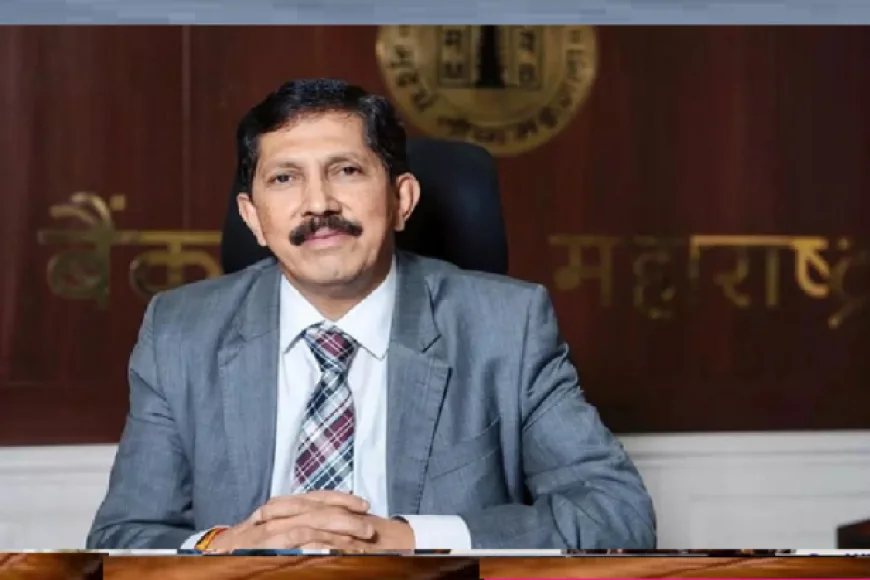
A S Rajeev, Vigilance Commissioner in the Central Vigilance Commission, took charge as acting Central Vigilance Commissioner on August 3, filling the vacancy left by the completion of Praveen Kumar Srivastava's tenure. The Department of Personnel and Training authorised the arrangement under Section 10 of the Central Vigilance Commission Act, 2003, in a notification issued July 31.
The Central Vigilance Commission is India's apex anti-corruption watchdog, overseeing vigilance administration across central government departments and public sector undertakings. It examines corruption complaints against senior officers, advises on disciplinary proceedings, and monitors the functioning of Chief Vigilance Officers posted in ministries and PSUs. The Commission's three-member structure, one Central Vigilance Commissioner and two Vigilance Commissioners, means the arrangement keeps the body functional while the government finalises a permanent chief.
Rajeev is a career banker with 38 years of experience across four banks: Syndicate Bank, Indian Bank, Vijaya Bank and Bank of Maharashtra. He rose to Executive Director at Indian Bank, a period during which the bank strengthened its asset quality and capital position among public sector lenders. He later served five years as Managing Director and Chief Executive Officer of Bank of Maharashtra, during which the bank exited the Reserve Bank of India's Prompt Corrective Action framework and grew into a stronger mid-sized lender. He also served as Nominee Director on the boards of EXIM Bank, New India Assurance and the National Payments Corporation of India, and was Vice Chairman of the Indian Banks' Association. He is a Chartered Accountant with an MBA in Banking and Finance.
Rajeev was appointed Vigilance Commissioner by the President in February 2024 and took oath in March that year, joining a Commission then headed by Praveen Kumar Srivastava. His four years as Vigilance Commissioner, spent reviewing corruption cases and disciplinary references from central ministries and PSUs, positioned him as the senior-most Commissioner eligible to hold interim charge once Srivastava's tenure closed.
Srivastava's exit leaves a vacancy the government has not yet moved to fill with a permanent appointee, a gap not uncommon at the top of statutory bodies where the search for a successor, involving a selection committee headed by the Prime Minister, can extend beyond the outgoing chief's last working day. Rajeev's elevation to acting charge follows the pattern used previously when the Commission needed continuity between chiefs, with the senior Vigilance Commissioner stepping in rather than leaving the post vacant.
The interim arrangement means Rajeev now presides over the Commission's regular functions, including its weekly meetings reviewing cases referred by the Central Bureau of Investigation and disciplinary authorities, until a new Central Vigilance Commissioner is named. The scale of pending vigilance references across ministries, PSUs and nationalised banks makes an uninterrupted chair important, particularly for cases awaiting the Commission's advice before disciplinary action can proceed.
The change at the top of the Commission comes as vigilance cases involving public sector banks and central PSUs have drawn sustained attention, with the Commission's clearance often required before disciplinary proceedings against senior officers can move forward. Rajeev's own background running a public sector bank through a period of regulatory restriction gives him direct familiarity with the kind of financial-sector cases that make up a substantial share of the Commission's caseload, a factor colleagues within the vigilance establishment have pointed to as relevant experience for the interim role.
The notification authorising Rajeev's charge was issued by the DoPT under the Ministry of Personnel, Public Grievances and Pensions, effective from August 3, the date the vacancy arose. The government has not indicated a timeline for naming a permanent Central Vigilance Commissioner, and Rajeev is expected to continue in acting charge until that selection process concludes.