


MEA Appoints IFS Officer Vishwesh Negi as India's Next Ambassador to Iran
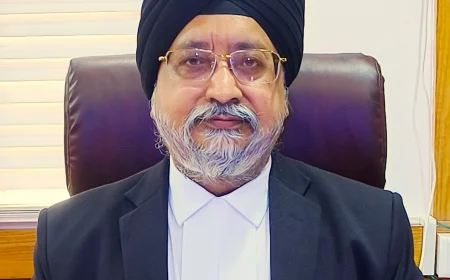
The MEA has appointed Vishwesh Negi, a 2002-batch IFS officer and Joint Secretary, as India's next Ambassador to Iran, succeeding the outgoing envoy in Tehran.

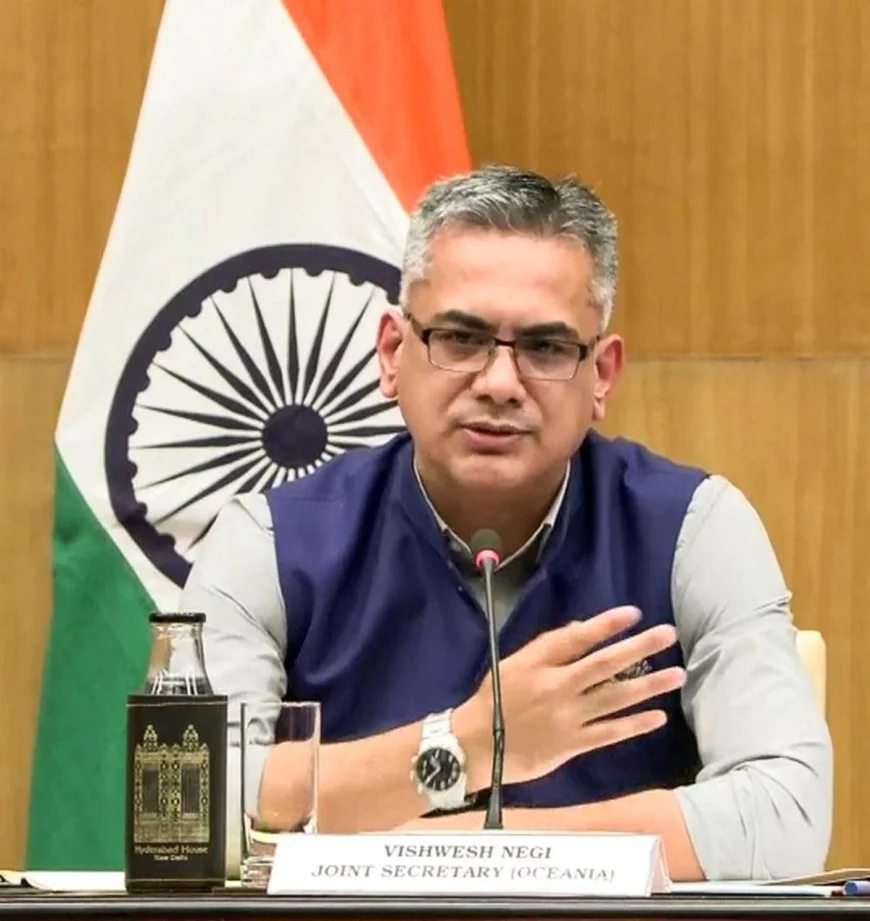
The Ministry of External Affairs has appointed Vishwesh Negi, a 2002-batch officer of the Indian Foreign Service currently serving as Joint Secretary in New Delhi, as India's next Ambassador to the Islamic Republic of Iran. He is expected to take up the assignment in Tehran shortly after completing the standard administrative formalities.
The Ambassador's post in Tehran carries weight beyond the bilateral relationship itself, since Iran sits astride the Strait of Hormuz, a route through which India routes a significant share of its energy imports, and hosts Chabahar Port, a project central to India's connectivity ambitions toward Afghanistan and Central Asia that bypasses Pakistan. The posting also places the envoy at the centre of India's response to periodic instability in West Asia, including concerns over the safety of Indian seafarers transiting the Gulf. The mission in Tehran also handles a substantial consular workload, given the presence of Indian students, traders and pilgrims travelling to religious sites in Iran, adding a day-to-day administrative dimension to what is otherwise a geopolitically sensitive posting. The embassy additionally tracks the movement of Indian fishing crews and merchant sailors who periodically find themselves detained or stranded in Iranian waters, a recurring consular function that has taken on added urgency during the current period of regional tension.
Negi is currently serving as Joint Secretary within the MEA in New Delhi, a headquarters role in which he has handled foreign policy coordination and bilateral engagement matters. His appointment to Tehran follows the standard IFS career trajectory in which a Joint Secretary-level headquarters posting is followed by an ambassadorial assignment, typically to a mission commensurate with the officer's seniority and the current geopolitical weight of the country concerned. Officers reaching this stage of the service are usually drawn from a pool with prior experience in West Asia or in the ministry's territorial divisions handling the region, background that would have shaped Negi's preparation for a posting as sensitive as Tehran.
Negi moves to Tehran from his headquarters role in New Delhi, where officers at Joint Secretary rank typically handle a territorial or functional division spanning several countries or a specific policy area, coordinating India's diplomatic and economic engagement from the ministry rather than from a mission abroad. A 2002-batch entrant into the Indian Foreign Service, Negi is roughly two-and-a-half decades into a diplomatic career that, by IFS convention, would already have included at least one prior overseas posting at Deputy Chief of Mission or Consul General level before his current headquarters assignment.
The appointment comes at a moment when India has publicly urged Tehran to avoid attacks on commercial shipping and to protect the safety of seafarers, with External Affairs Minister S. Jaishankar directly engaging his Iranian counterpart on the issue. Indian officials have told Parliament that sixteen Indians, including ten seafarers, have been killed in the Middle East amid the ongoing regional conflict since February, underlining the human stakes attached to the mission Negi is set to take charge of.
Negi's tenure in Tehran will require him to balance India's energy and connectivity interests against a volatile regional security environment, managing the Chabahar Port relationship, trade ties and consular support for the Indian community even as tensions around the Strait of Hormuz periodically flare. He takes charge at a mission that has, in recent years, had to work around sanctions-related banking restrictions affecting bilateral trade settlement, an operational complication that shapes much of the commercial side of the ambassador's daily brief in Tehran. Payment mechanisms for Iranian oil and Indian exports of items such as rice, tea and pharmaceuticals have repeatedly needed workaround arrangements, and it will fall to the incoming envoy to keep those channels functioning amid shifting sanctions regimes.
Negi succeeds the outgoing envoy in Tehran and will take charge of the mission once the formal transfer of assignment is completed, the Ministry of External Affairs said in its statement.