


Prabhas Dansana Given Additional Charge as GM, North Eastern Railway
RDSO Director General Prabhas Dansana has been given additional charge as GM, North Eastern Railway, during GM Uday Borwankar's leave from August 17-21.

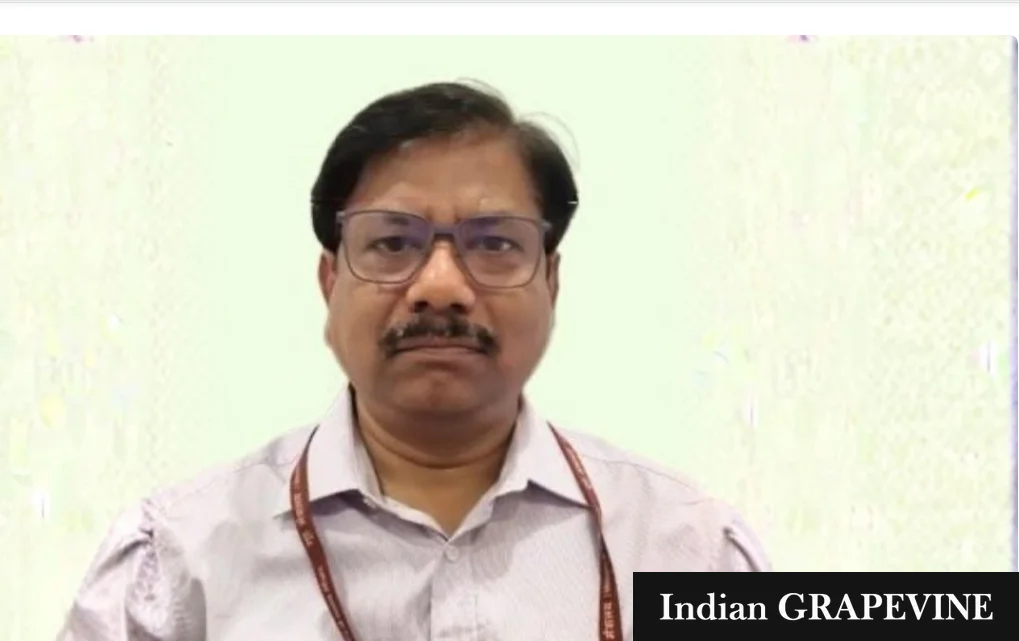
Prabhas Dansana, Director General of the Research Designs and Standards Organisation, has been entrusted with additional charge as General Manager of North Eastern Railway during the leave period of the zone's regular General Manager, Uday Borwankar, from August 17 to August 21. Dansana will hold both positions concurrently for the five-day period.
RDSO, headquartered in Lucknow, is Indian Railways' apex research and standards-setting body, responsible for certifying rolling stock designs, track standards and safety specifications used across the network, making its Director General one of the more technically significant posts in the railway hierarchy even though it sits outside the zonal General Manager structure. North Eastern Railway, also headquartered in Gorakhpur within RDSO's home state of Uttar Pradesh, is one of Indian Railways' eighteen zones, covering parts of eastern Uttar Pradesh and Bihar.
Dansana is an officer of the Indian Railway Traffic Service from the 1989 batch, born in Odisha, who joined Indian Railways in 1991 and began his career as Assistant Commercial Manager at Chakradharpur Division of South Eastern Railway in 1993. Over more than three decades in service, he has held postings including Senior Divisional Safety Officer at Chakradharpur, Senior Divisional Operations Manager at both Nagpur and Waltair, and Deputy Chief Operations Manager (Freight) at Bhubaneswar, giving him a career concentrated in operations and traffic management rather than the engineering functions typically associated with RDSO leadership.
Dansana spent four years on deputation to Container Corporation of India between 2007 and 2011, followed by postings as Chief Traffic Manager of Kolkata's Metro Railway, where he oversaw commissioning of an Automatic Fare Collection System, and later as Chief Freight Transportation Manager for South Eastern Railway and Executive Director (Traffic Transportation and Sales) at the Railway Board in New Delhi. He was appointed Director General of RDSO in February 2026 as part of a broader empanelment of eight 1989-batch officers to General Manager-equivalent Level-16 postings across Indian Railways.
The additional charge arrangement is a routine mechanism Indian Railways uses to ensure a zone is never without General Manager-level authority during a substantive incumbent's short leave, and RDSO's Director General has geographic proximity to North Eastern Railway's Gorakhpur headquarters, both being located within Uttar Pradesh, which likely factored into the choice of Dansana for this short-duration assignment.
North Eastern Railway's regular General Manager, Uday Borwankar, is expected to resume charge of the zone once his leave concludes on August 21, at which point Dansana's additional responsibility will lapse and he will continue solely in his substantive role at RDSO.
Dansana's appointment at RDSO itself has drawn attention recently for his public remarks on increasing rail freight's modal share to 45 percent through collaboration between Indian Railways and industry partners, a target discussed at a seminar RDSO hosted with the IRSEA Lucknow chapter earlier this year.
Dansana was among eight officers from the 1989 batch empanelled to Level-16 General Manager-equivalent postings in an ACC order issued in February 2026, a batch that also included officers now heading Chittaranjan Locomotive Works, Northern Railway and Central Railway, among other zones and production units. That empanelment round excluded 56 officers from consideration, according to railway officials, a sign of how competitive the selection process was before Dansana cleared it to take charge at RDSO. His posting as GM North Eastern Railway for this five-day stretch adds a brief zonal assignment to a career that has, until now, run almost entirely through operations, freight and standards-setting roles rather than direct zonal general management.